spring term week 2
Date: 20th & 21st January
Tutor: TUTOR LED
This Week : Wet’n’Dry
We will be experimenting with the likes of graphite, Inktense, Graphitint, watercolour pencils, charcoal, Neocolour, pastels ( both waxy and chalky).
what to bring
Plenty of watercolour paper. It does not need to be stretched. You will need plenty of clean , new sheets, but you could also bring along ‘used paper’ (failed paintings, painting where you could use the reverse of the sheet). Please think generously in terms of surface area, experimenting is far more successful when it is given space.
Please also bring anything you have that might fit into this weeks experimentation. We will bring suitable materials for the list above, but you have anything else, especially if it not listed, please bring it along. You will not be expected to share your materials with everyone, but you might be asked to do a quick demo.
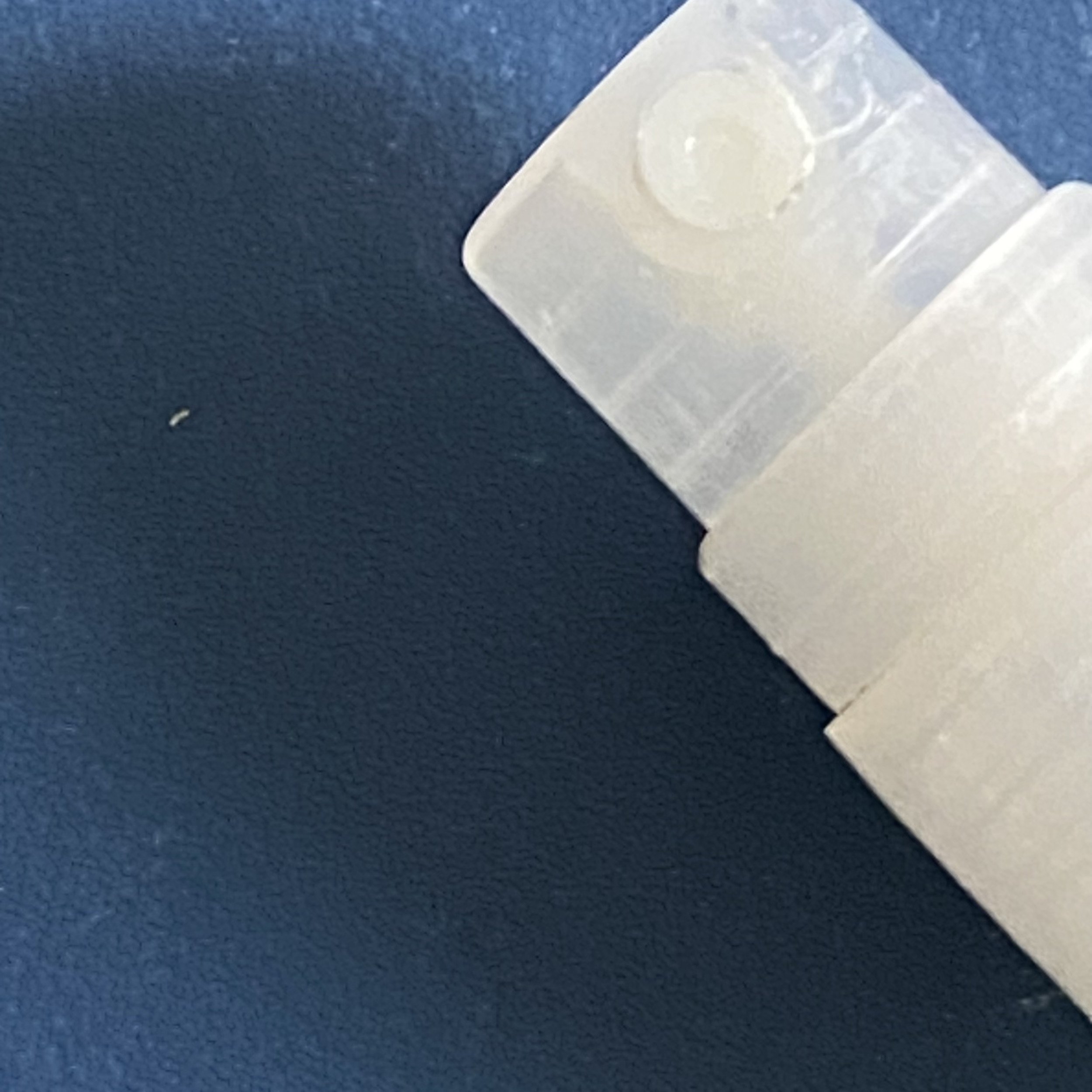
What is this? How would you use it with watercolour?
‘homework’ challenge
Spend some time PLAYING with which ever watercolour-compatible media you have. As tempting as it might be to consider making an image, make your focus on the mark-making and mastering techniques. A few minutes here and there might be more informative than one long painting session.
Quote of the week
Never be afraid to try something new. Remember amateurs built the ark. Professionals built the Titanic.
Trying it…
SALT
Dropping salt on to wet watercolour can give some very pretty, interesting effects.
The effects develop as the watercolour and salt dry. The salt absorbs some of the water; the water is pulled towards the grain of salt pulling colour with it (see the middle section of the photo). The effect can be likened to tiny cauliflowers, although the way is happens is almost the opposite since water is removed rather than added.
TIPS
This techniques needs TIME ! The effect develops slowly as the water and salt dry. This can take a while, even hours.
TIMING is essential. As with cauliflowers the salt must be dropped on to semi-dry watercolour. Too dry and nothing happens. Too wet and the salt dissolves.
The smaller grains of table salt often give a better result than sea salt.
The salt should be scattered very thinly. To much just results in a messy blob.
TIMING and giving it TIME are ESSENTIAL. Yes, I know I’ve said that, just emphasising the importance of both :) .
Click on the image to enlarge it.
Each week we will be on the lookout for someone trying a technique, whether it is complete new to them or they are experimenting with how to master one they have previously tried. We will post the photos we take here, hoping to inspire you to JUST TRY IT !
CLASS NOTICEBOARD : Any new items to be added? Please email details and they will be added by the following class.